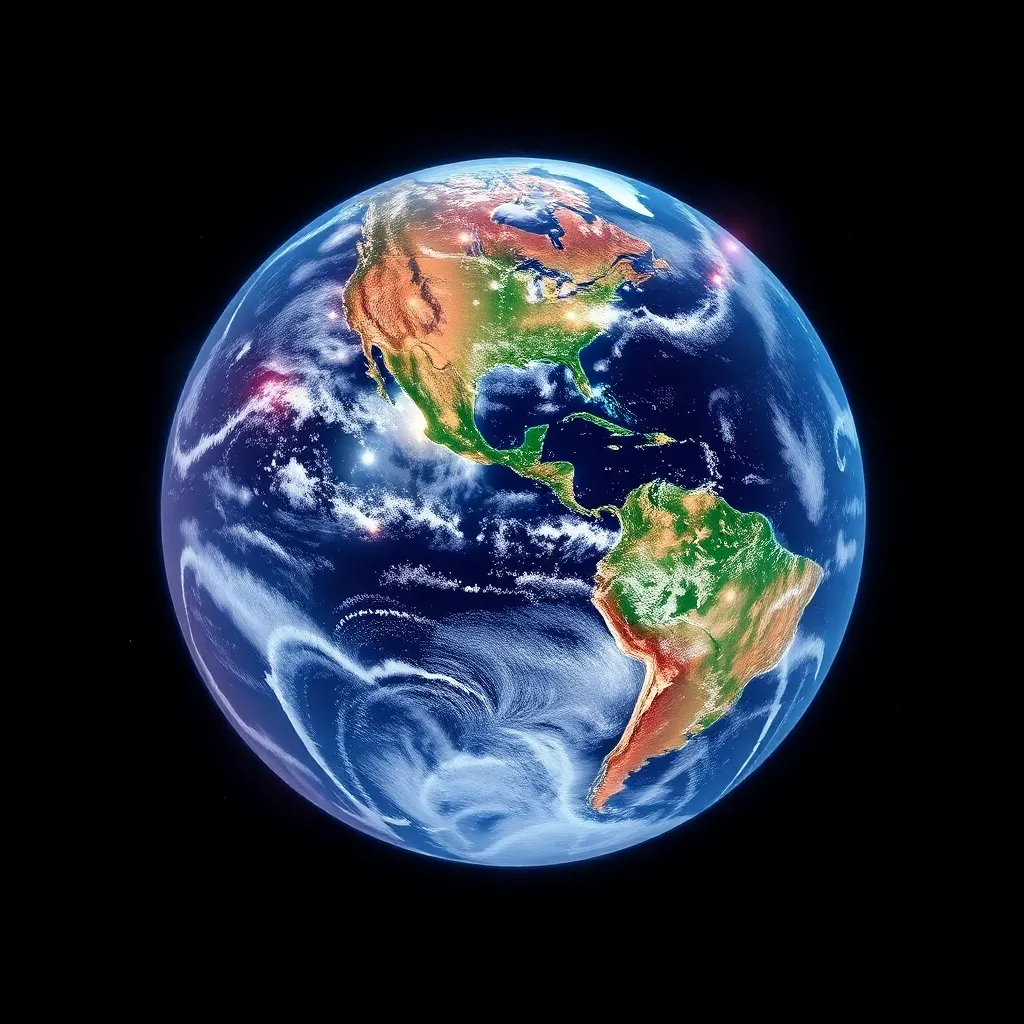
Earth, our beautiful blue planet, is a wondrous place teeming with life, diversity, and natural beauty. As the only known celestial body to support life, it holds a special place in our hearts and minds. From the highest mountains to the deepest oceans, Earth's landscapes are as varied as its inhabitants. In this article, we will explore what makes our planet unique, the ecosystems it houses, and the challenges we face to protect it for generations to come.
The Origins of Earth
Earth formed approximately 4.5 billion years ago from the dust and gas surrounding the young sun. Over time, this material coalesced to form the planet we know today. Initially, Earth was a molten mass, but as it cooled, a solid crust formed and oceans began to appear. The atmosphere evolved, gradually becoming rich in the oxygen essential for sustaining life.
The Layers of Our Planet
The Crust
The Earth's crust is the outermost layer and varies in thickness. It is where we find the continents and ocean floors, composed of rocks and minerals. This layer serves as the foundation for all terrestrial life and is rich in natural resources.
The Mantle
Below the crust lies the mantle, which makes up about 84% of Earth’s volume. This semi-solid layer flows slowly over time and is responsible for tectonic plate movements, leading to earthquakes and volcanic activity.
The Core
The innermost layer is the core, which consists primarily of iron and nickel. It is divided into a solid inner core and a liquid outer core. The movement of the liquid outer core generates Earth's magnetic field, which protects us from harmful solar radiation.
The Biodiversity of Earth
Earth is home to an astounding array of living organisms. From the microscopic bacteria to the majestic blue whale, biodiversity is vital for ecosystems to function. Ecosystems are communities of living organisms interacting with one another and with their physical environment. They contribute to crucial processes such as pollination, decomposition, and climate regulation.
Terrestrial Ecosystems
Terrestrial ecosystems encompass forests, grasslands, deserts, and tundras. Each habitat boasts its unique flora and fauna, adapted to survive in their respective environments. For instance, rainforests are known for their rich biodiversity, housing millions of species, while deserts have adapted species like cacti that conserve water.
Aquatic Ecosystems
Oceans, rivers, and lakes present another aspect of Earth's biodiversity. Covering over 70% of the planet's surface, oceans are vital for regulating climate and providing habitats for countless marine species. Freshwater ecosystems, although smaller, are equally important, supplying drinking water and supporting various organisms.
The Impact of Human Activity
As human populations continue to grow and expand, our influence on the planet has become profound and often detrimental. Urbanization, deforestation, pollution, and climate change threaten ecosystems and biodiversity. The extinction rate of species is accelerating, and many habitats are being destroyed, leading to significant ecological imbalance.
Climate Change
One of the most pressing challenges we face today is climate change. Resulting primarily from the burning of fossil fuels, it causes global temperatures to rise, leading to extreme weather conditions, rising sea levels, and shifting habitats. Addressing climate change requires collective action to reduce carbon emissions and promote sustainable practices.
Conservation Efforts
Fortunately, there are many initiatives aimed at protecting our planet. Conservation efforts focus on restoring habitats, protecting endangered species, and promoting sustainable agriculture and forestry practices. Organizations around the world are working tirelessly to raise awareness and encourage individuals to make a difference at the local level.
Taking Action for the Planet
Every individual can contribute to the well-being of our planet. Simple actions, such as reducing waste, conserving water, using renewable energy, and supporting sustainable products, can collectively have a significant impact. Educating ourselves and others about environmental issues is also crucial in fostering a culture of conservation.
Looking to the Future
As we look to the future, it is essential to recognize our responsibility to protect Earth. The beauty and diversity of our planet are not only a source of inspiration but also crucial for our survival. By taking steps to preserve and restore natural environments, we ensure that future generations can enjoy the wonder that is our planet. Let us commit to being stewards of Earth, protectors of its ecosystems, and champions of sustainability.
In conclusion, the planet Earth is a complex and intricate system that supports an incredible variety of life. While we face numerous challenges, our collective efforts can make a difference. Together, we can create a more sustainable future for ourselves and for all living things that call this planet home.